Impulse control is affected, and individuals under the influence of alcohol may have a shorter fuse than they otherwise would. This is not to say that alcohol causes aggression, or serves to makes someone angry, in and of itself; however, it may be a contributing factor when it comes to difficulties controlling alcoholic rage syndrome these emotions. In addition, alcohol abuse and addiction can result in poor anger management skills. Alcohol use disorder (AUD) is one of the leading causes of the global burden of disease and injury (WHO), despite the continuous discovery of novel pharmacotherapeutic agents (Pakri Mohamed et al., 2018).
Becoming angry can feel like a way to regain control, because it’s an emotion in our power. To avoid reacting with anger, it’s important to identify what is and isn’t in our control, and manage our expectations accordingly. Acceptance can help alleviate feelings of disappointment and anger.
Trait Anger and Alcohol Aggression
People who are the closest to the alcoholic who struggled with anger often get the most abuse. You may find yourself walking on eggshells to avoid an alcohol-induced anger outburst. BetterHelp offers affordable mental health care via phone, video, or live-chat. While anger can underlie aggression, you can be angry and not aggressive or aggressive without being angry. Couples’ counseling does not always repair relationships, but it does facilitate communication and create pathways for behaving differently. And sometimes, counseling sessions can uncover intractable issues which lead to couples deciding to part.
The getaway ended up being a trip to Vegas which included drinking, gambling and yes, strip joints. Additionally, researchers have linked cortisol to the development of metabolic disorders and to the development of psychiatric disorders such as depression. The body’s hypothalamic-pituitary-adrenal (HPA) axis system works hard to maintain a delicate physiological balance, but when alcohol is added to the mixture, it puts the body at even greater risk for harm. Once this happens, many end up thinking that their recovery is worthless, and they might decide to no more extended care about their recovery.
Alcohol, Aggression, and Violence: A Conundrum
Have family members or others mentioned concerns about your alcohol consumption? Did you recently experience an incident that stemmed from your alcohol-related aggression? These situations likely spark emotions when you think https://ecosoberhouse.com/ about them — perhaps you feel embarrassed or ashamed. Continue reading to learn more about the link between alcohol and anger, including which risk factors exist, how alcohol-related aggression can be dangerous and more.
- If you had a parent who was frequently enraged while drunk, you may expect that response in yourself when drinking and therefore exhibit it.
- Sometimes, people with alcohol use disorders have an unhealthy relationship with alcohol due to specific genetics.
- With some insight into factors that can cause rage or aggression while drinking, you can take steps to avoid certain behaviors.
- Disinhibition while drinking can lead to people engaging in behaviors they normally wouldn’t, such as aggression.
If drinking causes a blackout, you may not even remember being aggressive unless someone reminds you about it. By perpetuating such behavior, people can end up damaging meaningful relationships — yet another effect of alcohol-based aggression. Becoming angry when intoxicated can lead to domestic violence incidents.
SMART Recovery vs. A.A. – Is One Better?
Some people feel more happy, relaxed, or social while drinking. Others may find themselves feeling more sad, irritable, or angry. Alcohol consumption may also lead to a rage response because of expectations, according to researchers (1). For example, if a person goes into a drinking experience with the expectation of alcohol helping them pick a fight with a partner later, that’s then likely to happen. Additionally, more than three-quarters of study participants with the gene had mood disorders, personality disorders, and mood swings (10).

Call 999 if anyone is in immediate danger, 101 it it’s not an emergency, or you can report crime to the police online. Drinking alcohol can make us act in ways we wouldn’t normally, including being angry or aggressive. Researchers found that participants who were less inclined to think about the future were more inclined to deliver shocks longer and harder, but especially if they were drunk. Alcohol had minimal impact on aggression for those who thought about future consequences. “Later on in the night, you may find someone crying or becoming overly emotional, and this is because, as the alcohol wears off, there is a big drop in serotonin below baseline,” Tietz explains.
The Importance of Good Nutrition in Addiction Recovery
The inability to control or suppress your emotions can lead to inappropriate or dangerous situations. Heightened responses due to alcohol consumption can make anger intensified. While psychotherapy is the primary approach for co-treatment of alcohol use and anger management, medications like mood stabilizers and those used to treat substance withdrawal may also be part of your treatment plan. Most of these treatments come from the framework of cognitive behavioral therapy (CBT). CBT is a diverse psychotherapy that focuses on identifying unhelpful thoughts and behaviors and creating new, helpful patterns of thinking and feeling. Stress can continue to have an effect even after someone stops drinking.
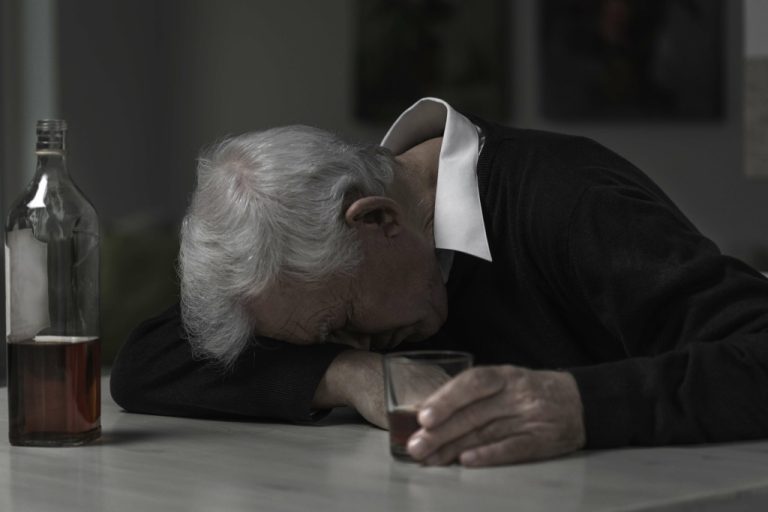
Another example of alcohol use could be an individual that calls into work ‘sick’ because of a hangover or misses spending time with their children or family due to the effects of drinking. In this case, especially when done on a semi-regular basis, alcohol has begun to interfere with daily responsibilities and both personal and professional relationships negatively. There are many telltale signs that can point to a trend of associating anger and alcohol. If you find yourself constantly having to apologize after a night of drinking, or if many of your issues with a relationship come out while drinking, you may be at risk for alcohol use disorder. Always look out for such signs, and know when a pattern or trend emerges.